Climate Risks: The Greatest Danger Is Failing to Anticipate
Industrial leaders, infrastructure managers, (air)port operators: what if climate risks were already reshaping your performance… without you having fully integrated them into your strategy?
Today, failing to treat these risks with the same urgency as your financial, operational, or regulatory challenges represents a major threat to the long-term viability of your business.
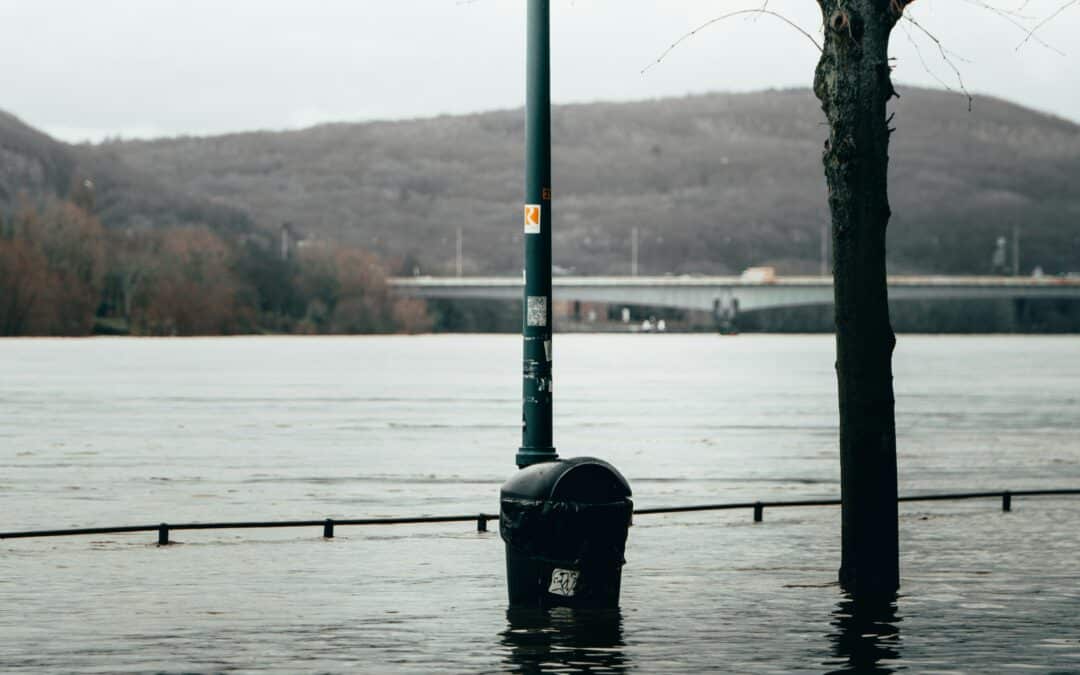
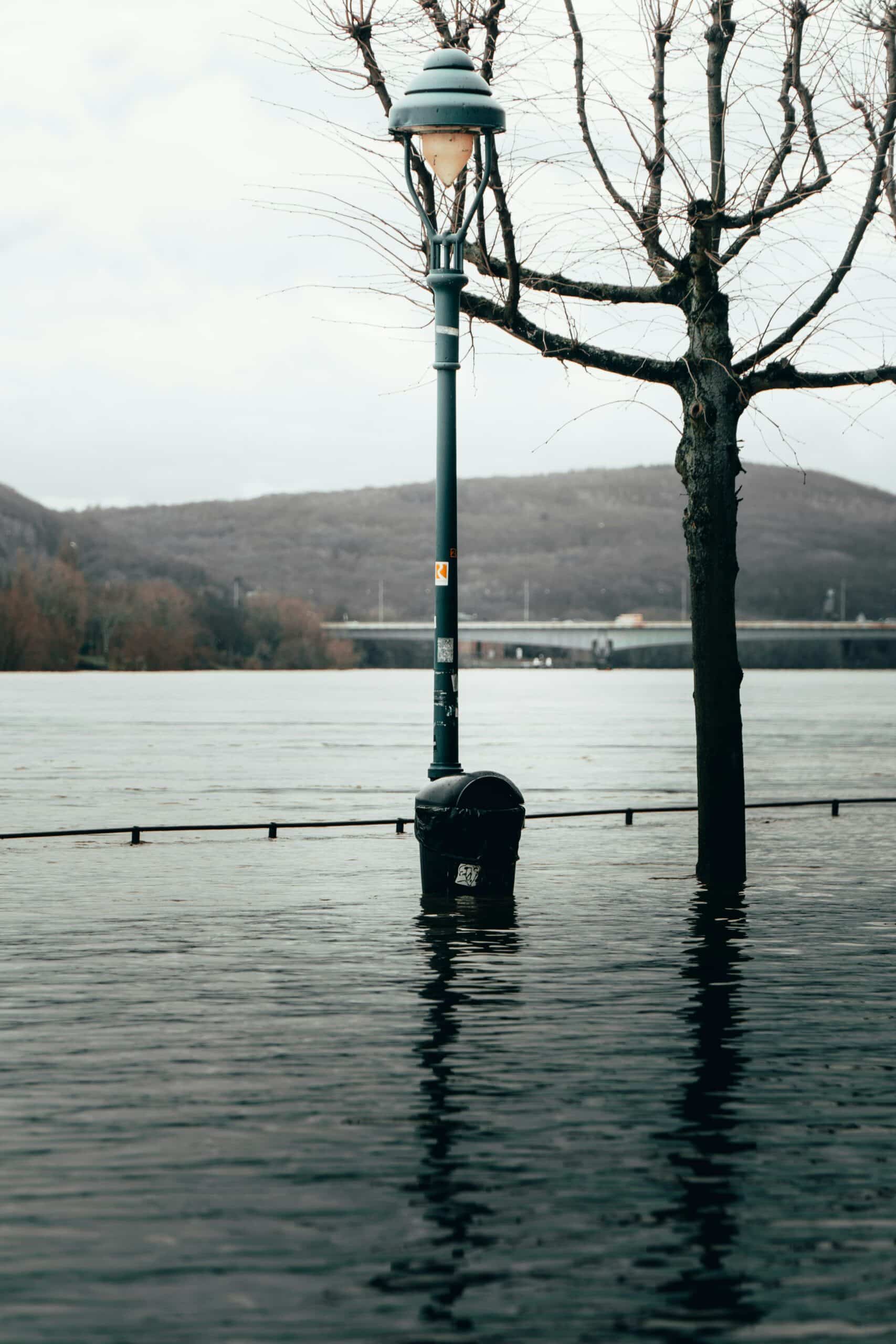
Acting now is more than encouraged, as the cost of inaction will always outweigh the cost of anticipation. Floods, heatwaves, storms, resource scarcity… these hazards are no longer distant scenarios; they are your operational realities.
3 tips to help you anticipate
1. Think across your entire supply chain
Your risks don’t end at your site’s perimeter. A raw material sourced from an exposed area (e.g. steel produced in a vulnerable region) can halt your entire production.
Resilience is built across the entire value chain.
2. Identify extreme climate risks
Is your site near a river? A forest? A high-risk zone? Fires, floods, or storms can cause abrupt business interruptions.
It is better to adapt today than to suffer tomorrow.
3. Integrate everyday climate change effects
Rising temperatures, water stress, human impacts… Working conditions, product storage, or process continuity requiring specific physical conditions can be severely degraded by buildings or equipment not adapted to heat.
Leading companies are already adapting their working conditions and infrastructure.
Our methodology for immediate action
Climate risk analysis is based on recognized frameworks such as OCARA (Carbone4), ISO 14090 / 14091 standards, and European Commission recommendations (technical guidance on climate proofing of infrastructure).
This helps to provide:
-
-
- A detailed analysis of current physical risks.
- An assessment of your exposure to climate hazards and the sensitivity of various processes.
- Climate projections for 5, 10, or 25-year horizons.
- A mapping of impacts on your strategic activities and value chain.
-
Ready to take the next steps
PINK Strategy team supports you in 2 stages:
1. Detailed climate risk analysis
-
-
- Identification of hazards (heat, flooding, etc.)
- Exposure and vulnerability matrix by activity
- On-site and supply chain-wide analysis
-
2. Operational adaptation plan
-
-
- Concrete actions co-designed with your teams, evaluated against various criteria (e.g., feasibility, cost, effectiveness)
- Short, medium, and long-term prioritization
- Structural solutions (e.g., relocation, supplier diversification)
-
These two steps allow you to:
-
-
- Secure your operations and investments
- Reassure your insurers, clients, and financial partners
- Guarantee business continuity
-
Climate risk analysis is your lever for resilience and competitiveness.
Failing to anticipate means risking the consequences. In a rapidly changing world, that risk can be very costly.