
Raw materials are at the heart of current economic challenges and ongoing geopolitical conflicts. Between shortage risks, procurement competition, and skyrocketing prices, implementing an initiative to reduce material vulnerability is a highly strategic decision. To get started, ADEME (the French Agency for Ecological Transition) has developed a well-thought-out methodology: the material audit (bilan matières).
What is the role of raw materials in building our resilience?
Faced with the climate emergency, many companies have learned to measure their greenhouse gas emissions and commit to reducing them to contribute to the collective effort toward carbon neutrality. While climate strategies have taken up significant bandwidth in CSR departments, another issue has emerged: resource availability.
In a world where certain raw materials—particularly metals—are becoming scarce while their consumption continues to rise, procurement has become a highly strategic topic for manufacturing and processing industries of all sizes. Although various regulations promoting the circular economy compel businesses to address the issue, physical, economic, and political necessity is the primary force driving them to build clear-eyed, sustainable strategies today.
Multiple methods and approaches can be helpful, depending on a company’s profile and level of commitment. Sustainable purchasing policies, life cycle assessments (LCA) leading to product eco-design, environmental management systems, and industrial and territorial ecology initiatives all offer valuable answers for resource management. However, there is also a lesser-known and uncomplicated method to implement: the material audit.
Formalised by ADEME in 2020 as a counterpart to greenhouse gas emissions audits, the material audit addresses two major challenges for industrial processing companies. Specifically, it aims to improve material efficiency in production practices (“doing better with less”) and reduce vulnerability to supply chain risks.

How to improve material efficiency
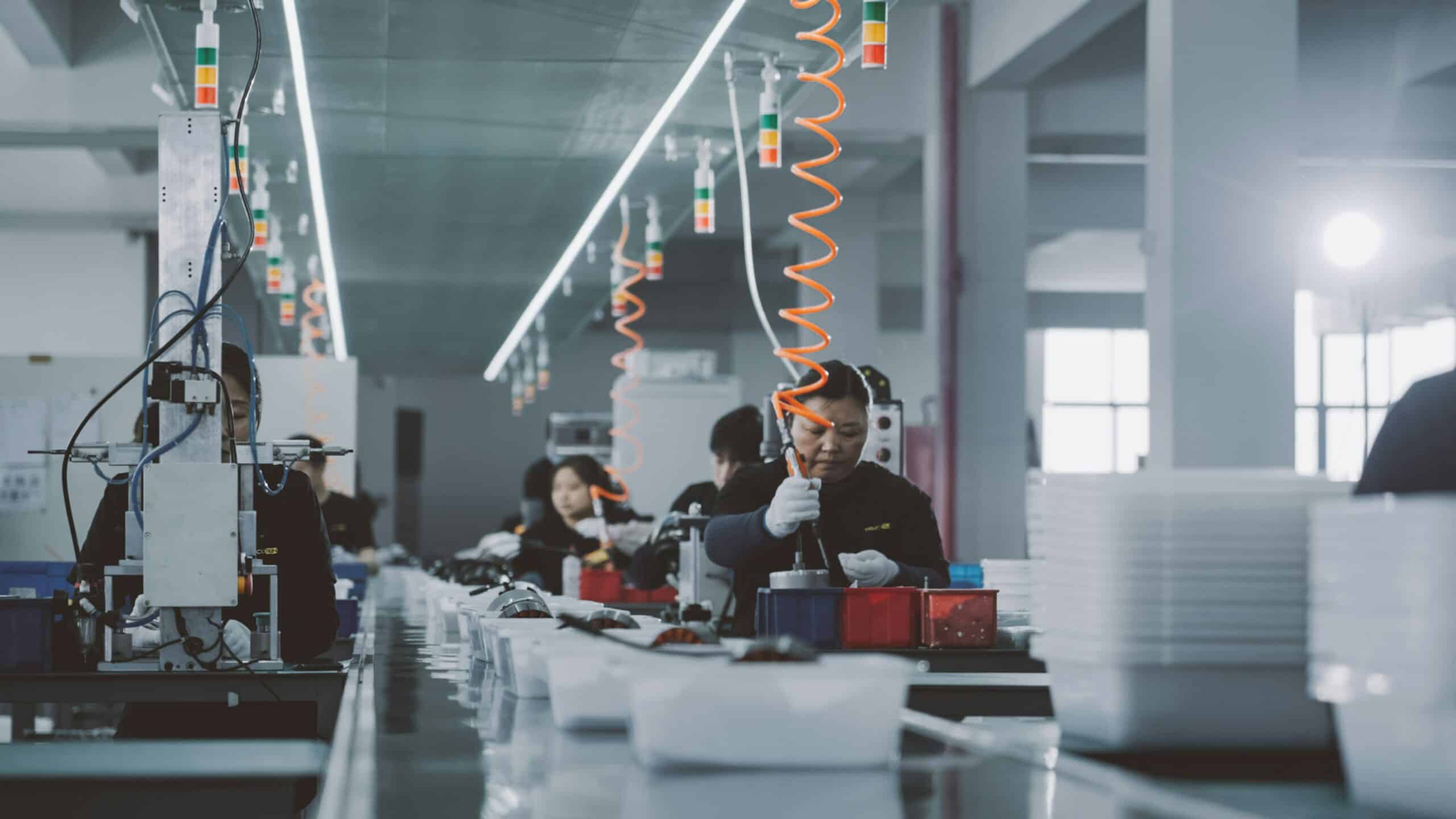
The first component of the methodology consists of analysing internal production flows to identify potential inefficiencies, discover optimisation opportunities, and control material volumes.
The process begins with an inventory of materials used across various production processes (including volumes and waste), followed by a material criticality assessment. By cross-referencing impact levels and maturity, companies generate criticality matrices for each material. Next, internal flows of critical materials are modeled to build a comprehensive map incorporating both physical volumes and the financial value of the studied materials.
With this detailed picture of production, companies can analyse material efficiency by calculating loss rates and costs, and pinpointing their root causes—whether organisational, operational, or technical. Based on this baseline, action plans and internal/external opportunities are identified (for instance, through industrial and territorial ecology initiatives that promote local synergies among businesses operating in the same geographic areas), and goals are established.
How to reduce material vulnerability?
The second component of the material audit looks beyond internal operations to examine functioning from a broader perspective. This approach combines various analyses companies may already conduct, such as value chain mapping, risk assessments (particularly climate-related), and double materiality assessments.
The strength of this method lies in its relative simplicity combined with its ability to factor in data across multiple domains: climate, geological, technological, economic, and geopolitical.
As before, the first step is evaluating the criticality of each material. Is it strategic for my business? Am I dependent on it? Where does it originate? Are there current or upcoming regulatory restrictions on its use? How is pricing structured, and does it experience major volatility?
To measure vulnerability, suppliers are also examined under a microscope. Are they geographically and economically diversified? Are there any monopolies? What is the nature of the relationship? Is it a position of strength, weakness, or a balanced partnership?
It is equally important to understand commodity market trends, competing industries, political risks, potential shortages, and consumer preferences. This phase also provides an opportunity to evaluate the role of each material in production. Is it substitutable? What share of revenue depends on it? Is it aligned with climate, environmental, and social commitments?
PINK Strategy guides you with cross-disciplinary expertise
While the material audit is not particularly complicated itself, it requires active participation from various business departments, along with in-depth operational and desk research across multiple subjects. This is where PINK Strategy can assist. Combining expertise in life cycle assessment, eco-design, asset management, climate risk analysis, geopolitical studies, and critical raw material markets, our team delivers comprehensive, multi-criteria, and ambitious material audits.